ECOSOC
Economical and Social Council
The Economic and Social Council (ECOSOC) is one of the six principal organs of the United Nations, responsible for promoting international economic and social cooperation and development. It coordinates the work of specialized UN agencies, commissions, and forums, addressing issues such as human rights, sustainable development, and humanitarian affairs. ECOSOC serves as a central platform for fostering debate, innovative thinking, and consensus on the world’s most pressing socioeconomic challenges.
Topic 1: Discussing ways to integrate refugees into host countries' economies
The world is witnessing an unprecedented movement of people displaced by conflict, climate change, and economic instability. Host countries, particularly in regions already grappling with economic pressures, face significant challenges in integrating refugees into their national economies. Refugees often encounter barriers such as legal restrictions on employment, language obstacles, discrimination, and limited access to education and training programs. These obstacles not only hinder the self-sufficiency and dignity of refugees but also place strains on host communities, exacerbating social tensions and economic disparities. The question of how to transform the arrival of refugees from a perceived burden into an economic opportunity lies at the heart of the debate.
Topic 2: Adressing the pressing issue of overtourism
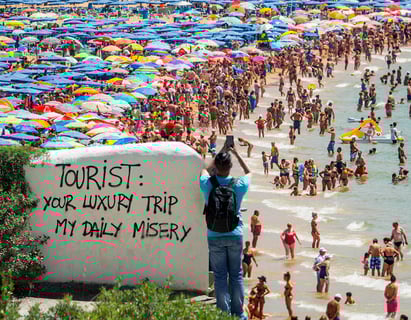
Tourism, once seen as an engine of economic growth and cultural exchange, is increasingly becoming a source of environmental degradation, overcrowding, and socio-economic strain in popular destinations worldwide. Cities and natural sites experience an unsustainable influx of visitors, leading to the erosion of local cultures, inflated living costs for residents, ecological harm, and pressure on public infrastructure. In many cases, the quality of life for locals deteriorates, and the authenticity of the travel experience diminishes. Overtourism raises urgent questions about sustainability, equitable economic development, and the need for effective regulation without stifling the benefits tourism can provide.